The Role of Stimulus Bills in Economic Recovery

Economic recovery often requires a concerted effort from governments, businesses, and individuals. Among the most effective tools for jumpstarting economies during times of crisis are stimulus bills. These legislative measures play a pivotal role in stabilizing financial systems, supporting affected populations, and fostering long-term growth. This article delves into the essential role stimulus bills play in economic recovery and their broader implications.
What Are Stimulus Bills?
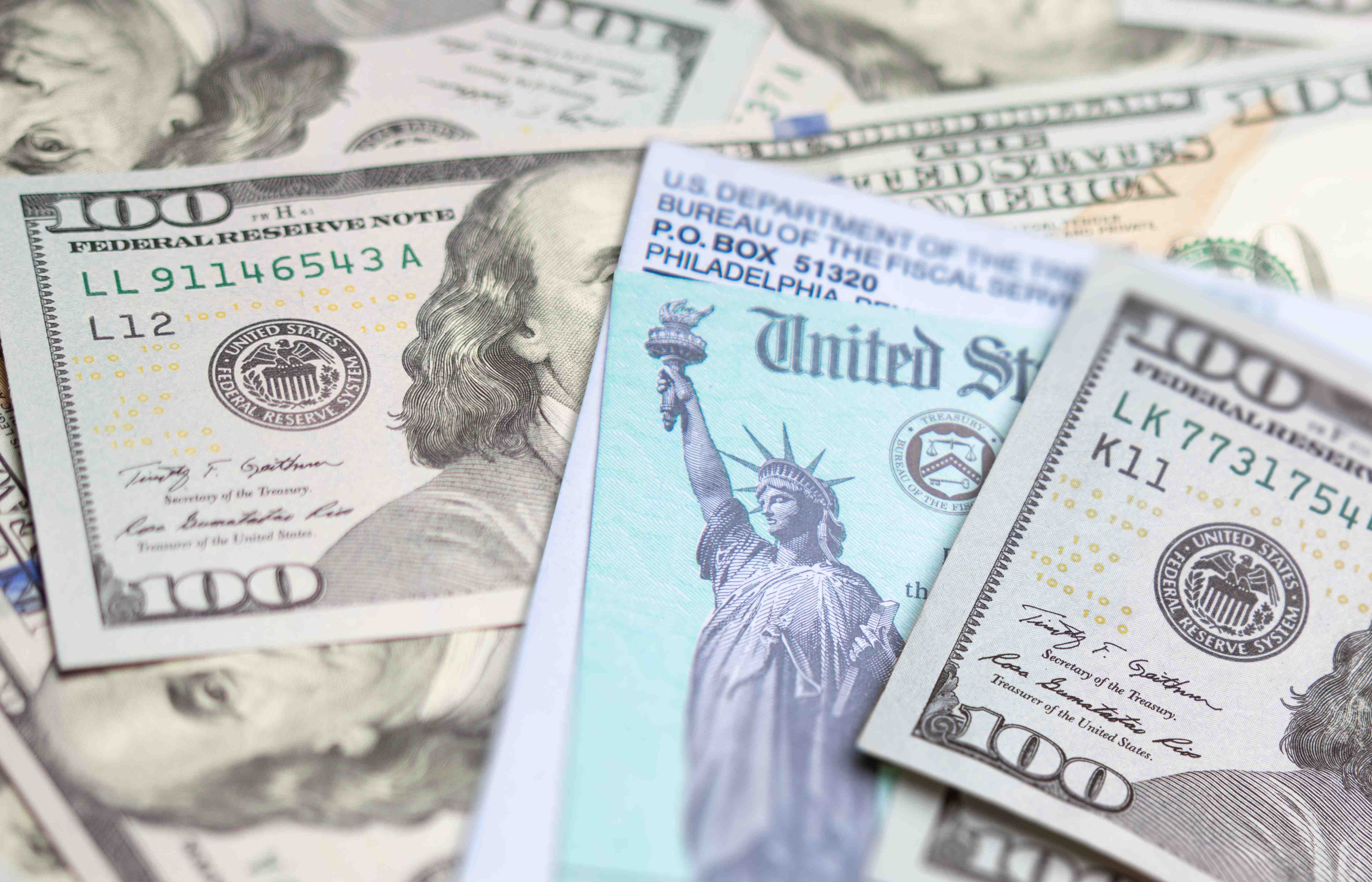
Stimulus bills are government-initiated policies designed to address economic downturns or crises. They aim to boost economic activity by injecting financial resources into various sectors, stabilizing markets, and providing relief to those impacted. These bills can take many forms, including direct payments to citizens, tax incentives, and funding for infrastructure projects.
How Stimulus Bills Drive Economic Recovery
-
Boosting Consumer Spending: One of the primary goals of stimulus bills is to increase consumer spending. When individuals receive direct payments or financial relief, they are more likely to spend on goods and services, thereby stimulating demand and supporting businesses.
-
Supporting Businesses: Many stimulus bills include provisions such as loans, grants, or tax breaks for businesses. These measures help companies retain employees, avoid bankruptcy, and continue contributing to the economy.
-
Creating Jobs: Infrastructure investments funded by stimulus bills often lead to job creation. Projects like building roads, schools, or renewable energy facilities require a significant workforce, which can reduce unemployment and inject money into local economies.
-
Stabilizing Financial Markets: By addressing systemic issues, such as a lack of liquidity in financial institutions, stimulus bills help stabilize markets. This prevents further economic decline and restores investor confidence.
The Timing and Scale of Stimulus Bills
The effectiveness of a stimulus bill largely depends on its timing and scale. Early intervention can prevent deeper economic downturns, while the scale of investment must be sufficient to address the crisis's severity. Policymakers must carefully balance these factors to maximize the bill's impact without overextending public resources.
Historical Examples of Stimulus Bills in Economic Recovery
-
The New Deal (1933-1939): During the Great Depression, the U.S. government implemented a series of programs and public works projects under the New Deal. These initiatives created jobs, improved infrastructure, and restored public confidence.
-
The American Recovery and Reinvestment Act (2009): Passed in response to the 2008 financial crisis, this U.S. stimulus package included tax cuts, unemployment benefits, and funding for infrastructure and education. It played a critical role in stabilizing the economy.
-
The CARES Act (2020): During the COVID-19 pandemic, the CARES Act provided direct payments, enhanced unemployment benefits, and business loans to mitigate the economic impact of the crisis.
Challenges and Criticisms of Stimulus Bills
While stimulus bills are powerful tools for recovery, they are not without challenges:
-
Debt Accumulation: Large-scale stimulus packages often result in increased national debt, which can pose long-term fiscal challenges.
-
Inflation Risks: Excessive spending can lead to inflation, eroding purchasing power and potentially destabilizing the economy.
-
Inefficiencies in Distribution: Ensuring that funds reach those who need them most can be difficult, leading to delays or misallocation.
The Broader Implications of Stimulus Bills
Beyond immediate recovery, stimulus bills can have lasting effects on economies. Investments in infrastructure, education, and technology can pave the way for sustainable growth. Moreover, successful stimulus measures can build public trust in government institutions, fostering social and economic stability.
Conclusion
Stimulus bills are indispensable tools for economic recovery, providing immediate relief and laying the foundation for long-term growth. By boosting consumer spending, supporting businesses, creating jobs, and stabilizing markets, these measures help economies rebound from crises. While challenges exist, the strategic design and implementation of stimulus bills can maximize their benefits, ensuring a more resilient and prosperous future.